The Complete Works
William Shakespeare
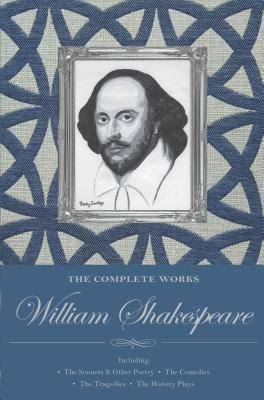
Description
All the plays and poems of William Shakespeare.
| Length | Emails required |
|---|---|
| 7,725 lines | 194 (based on one per day) |
Preview - part 137 of 194
KING RICHARD. Marshal, ask yonder knight in arms, Both who he is and why he cometh hither Thus plated in habiliments of war; And formally, according to our law, Depose him in the justice of his cause. MARSHAL. What is thy name? and wherefore com'st thou hither Before King Richard in his royal lists? Against whom comest thou? and what's thy quarrel? Speak like a true knight, so defend thee heaven! BOLINGBROKE. Harry of Hereford, Lancaster, and Derby, Am I; who ready here do stand in arms To prove, by God's grace and my body's valour, In lists on Thomas Mowbray, Duke of Norfolk, That he is a traitor, foul and dangerous, To God of heaven, King Richard, and to me. And as I truly fight, defend me heaven! MARSHAL. On pain of death, no person be so bold Or daring-hardy as to touch the lists, Except the Marshal and such officers Appointed to direct these fair designs. BOLINGBROKE. Lord Marshal, let me kiss my sovereign's hand, And bow my knee before his Majesty; For Mowbray and myself are like two men That vow a long and weary pilgrimage. Then let us take a ceremonious leave And loving farewell of our several friends. MARSHAL. The appellant in all duty greets your Highness, And craves to kiss your hand and take his leave. KING RICHARD. We will descend and fold him in our arms. Cousin of Hereford, as thy cause is right, So be thy fortune in this royal fight! Farewell, my blood; which if to-day thou shed, Lament we may, but not revenge thee dead. BOLINGBROKE. O, let no noble eye profane a tear For me, if I be gor'd with Mowbray's spear. As confident as is the falcon's flight Against a bird, do I with Mowbray fight. My loving lord, I take my leave of you; Of you, my noble cousin, Lord Aumerle; Not sick, although I have to do with death, But lusty, young, and cheerly drawing breath. Lo, as at English feasts, so I regreet The daintiest last, to make the end most sweet. O thou, the earthly author of my blood, Whose youthful spirit, in me regenerate, Doth with a twofold vigour lift me up To reach at victory above my head, Add proof unto mine armour with thy prayers, And with thy blessings steel my lance's point, That it may enter Mowbray's waxen coat And furbish new the name of John o' Gaunt, Even in the lusty haviour of his son. GAUNT. God in thy good cause make thee prosperous! Be swift like lightning in the execution, And let thy blows, doubly redoubled, Fall like amazing thunder on the casque Of thy adverse pernicious enemy. Rouse up thy youthful blood, be valiant, and live. BOLINGBROKE. Mine innocence and Saint George to thrive! MOWBRAY. However God or fortune cast my lot, There lives or dies, true to King Richard's throne, A loyal, just, and upright gentleman. Never did captive with a freer heart Cast off his chains of bondage, and embrace His golden uncontroll'd enfranchisement, More than my dancing soul doth celebrate This feast of battle with mine adversary. Most mighty liege, and my companion peers, Take from my mouth the wish of happy years. As gentle and as jocund as to jest Go I to fight: truth hath a quiet breast. KING RICHARD. Farewell, my lord, securely I espy Virtue with valour couched in thine eye. Order the trial, Marshal, and begin. MARSHAL. Harry of Hereford, Lancaster, and Derby, Receive thy lance; and God defend the right! BOLINGBROKE. Strong as a tower in hope, I cry amen. MARSHAL. [To an officer] Go bear this lance to Thomas, Duke of Norfolk. FIRST HERALD. Harry of Hereford, Lancaster, and Derby, Stands here for God, his sovereign, and himself, On pain to be found false and recreant, To prove the Duke of Norfolk, Thomas Mowbray, A traitor to his God, his King, and him; And dares him to set forward to the fight. SECOND HERALD. Here standeth Thomas Mowbray, Duke of Norfolk, On pain to be found false and recreant, Both to defend himself, and to approve Henry of Hereford, Lancaster, and Derby, To God, his sovereign, and to him disloyal, Courageously and with a free desire Attending but the signal to begin. MARSHAL. Sound trumpets; and set forward, combatants. [A charge sounded] Stay, the King hath thrown his warder down. KING RICHARD. Let them lay by their helmets and their spears, And both return back to their chairs again. Withdraw with us; and let the trumpets sound While we return these dukes what we decree.
A long flourish, while the KING consults his Council
Draw near, And list what with our council we have done. For that our kingdom's earth should not be soil'd With that dear blood which it hath fostered; And for our eyes do hate the dire aspect Of civil wounds plough'd up with neighbours' sword; And for we think the eagle-winged pride Of sky-aspiring and ambitious thoughts, With rival-hating envy, set on you To wake our peace, which in our country's cradle Draws the sweet infant breath of gentle sleep; Which so rous'd up with boist'rous untun'd drums, With harsh-resounding trumpets' dreadful bray, And grating shock of wrathful iron arms, Might from our quiet confines fright fair peace And make us wade even in our kindred's blood- Therefore we banish you our territories. You, cousin Hereford, upon pain of life, Till twice five summers have enrich'd our fields Shall not regreet our fair dominions, But tread the stranger paths of banishment. BOLINGBROKE. Your will be done. This must my comfort be- That sun that warms you here shall shine on me, And those his golden beams to you here lent Shall point on me and gild my banishment. KING RICHARD. Norfolk, for thee remains a heavier doom, Which I with some unwillingness pronounce: The sly slow hours shall not determinate The dateless limit of thy dear exile; The hopeless word of 'never to return' Breathe I against thee, upon pain of life. MOWBRAY. A heavy sentence, my most sovereign liege, And all unlook'd for from your Highness' mouth. A dearer merit, not so deep a maim As to be cast forth in the common air, Have I deserved at your Highness' hands. The language I have learnt these forty years, My native English, now I must forgo; And now my tongue's use is to me no more Than an unstringed viol or a harp; Or like a cunning instrument cas'd up Or, being open, put into his hands That knows no touch to tune the harmony. Within my mouth you have engaol'd my tongue, Doubly portcullis'd with my teeth and lips; And dull, unfeeling, barren ignorance Is made my gaoler to attend on me. I am too old to fawn upon a nurse, Too far in years to be a pupil now. What is thy sentence, then, but speechless death, Which robs my tongue from breathing native breath? KING RICHARD. It boots thee not to be compassionate; After our sentence plaining comes too late. MOWBRAY. Then thus I turn me from my countrv's light, To dwell in solemn shades of endless night. KING RICHARD. Return again, and take an oath with thee. Lay on our royal sword your banish'd hands; Swear by the duty that you owe to God, Our part therein we banish with yourselves, To keep the oath that we administer: You never shall, so help you truth and God, Embrace each other's love in banishment; Nor never look upon each other's face; Nor never write, regreet, nor reconcile This louring tempest of your home-bred hate; Nor never by advised purpose meet To plot, contrive, or complot any ill, 'Gainst us, our state, our subjects, or our land. BOLINGBROKE. I swear. MOWBRAY. And I, to keep all this. BOLINGBROKE. Norfolk, so far as to mine enemy. By this time, had the King permitted us, One of our souls had wand'red in the air, Banish'd this frail sepulchre of our flesh, As now our flesh is banish'd from this land- Confess thy treasons ere thou fly the realm; Since thou hast far to go, bear not along The clogging burden of a guilty soul. MOWBRAY. No, Bolingbroke; if ever I were traitor, My name be blotted from the book of life, And I from heaven banish'd as from hence! But what thou art, God, thou, and I, do know; And all too soon, I fear, the King shall rue. Farewell, my liege. Now no way can I stray: Save back to England, an the world's my way. Exit KING RICHARD. Uncle, even in the glasses of thine eyes I see thy grieved heart. Thy sad aspect Hath from the number of his banish'd years Pluck'd four away. [To BOLINGBROKE] Six frozen winters spent, Return with welcome home from banishment. BOLINGBROKE. How long a time lies in one little word! Four lagging winters and four wanton springs End in a word: such is the breath of Kings. GAUNT. I thank my liege that in regard of me He shortens four years of my son's exile; But little vantage shall I reap thereby, For ere the six years that he hath to spend Can change their moons and bring their times about, My oil-dried lamp and time-bewasted light Shall be extinct with age and endless night; My inch of taper will be burnt and done, And blindfold death not let me see my son. KING RICHARD. Why, uncle, thou hast many years to live. GAUNT. But not a minute, King, that thou canst give: Shorten my days thou canst with sullen sorrow And pluck nights from me, but not lend a morrow; Thou can'st help time to furrow me with age, But stop no wrinkle in his pilgrimage; Thy word is current with him for my death, But dead, thy kingdom cannot buy my breath. KING RICHARD. Thy son is banish'd upon good advice, Whereto thy tongue a party-verdict gave. Why at our justice seem'st thou then to lour? GAUNT. Things sweet to taste prove in digestion sour. You urg'd me as a judge; but I had rather You would have bid me argue like a father. O, had it been a stranger, not my child, To smooth his fault I should have been more mild. A partial slander sought I to avoid, And in the sentence my own life destroy'd. Alas, I look'd when some of you should say I was too strict to make mine own away; But you gave leave to my unwilling tongue Against my will to do myself this wrong. KING RICHARD. Cousin, farewell; and, uncle, bid him so. Six years we banish him, and he shall go. Flourish. Exit KING with train AUMERLE. Cousin, farewell; what presence must not know, From where you do remain let paper show. MARSHAL. My lord, no leave take I, for I will ride As far as land will let me by your side. GAUNT. O, to what purpose dost thou hoard thy words, That thou returnest no greeting to thy friends? BOLINGBROKE. I have too few to take my leave of you, When the tongue's office should be prodigal To breathe the abundant dolour of the heart. GAUNT. Thy grief is but thy absence for a time. BOLINGBROKE. Joy absent, grief is present for that time. GAUNT. What is six winters? They are quickly gone. BOLINGBROKE. To men in joy; but grief makes one hour ten. GAUNT. Call it a travel that thou tak'st for pleasure. BOLINGBROKE. My heart will sigh when I miscall it so, Which finds it an enforced pilgrimage. GAUNT. The sullen passage of thy weary steps Esteem as foil wherein thou art to set The precious jewel of thy home return. BOLINGBROKE. Nay, rather, every tedious stride I make Will but remember me what a deal of world I wander from the jewels that I love. Must I not serve a long apprenticehood To foreign passages; and in the end, Having my freedom, boast of nothing else But that I was a journeyman to grief? GAUNT. All places that the eye of heaven visits Are to a wise man ports and happy havens. Teach thy necessity to reason thus: There is no virtue like necessity. Think not the King did banish thee, But thou the King. Woe doth the heavier sit Where it perceives it is but faintly home. Go, say I sent thee forth to purchase honour, And not the King exil'd thee; or suppose Devouring pestilence hangs in our air And thou art flying to a fresher clime. Look what thy soul holds dear, imagine it To lie that way thou goest, not whence thou com'st. Suppose the singing birds musicians, The grass whereon thou tread'st the presence strew'd, The flowers fair ladies, and thy steps no more Than a delightful measure or a dance; For gnarling sorrow hath less power to bite The man that mocks at it and sets it light. BOLINGBROKE. O, who can hold a fire in his hand By thinking on the frosty Caucasus? Or cloy the hungry edge of appetite By bare imagination of a feast? Or wallow naked in December snow By thinking on fantastic summer's heat? O, no! the apprehension of the good Gives but the greater feeling to the worse. Fell sorrow's tooth doth never rankle more Than when he bites, but lanceth not the sore. GAUNT. Come, come, my son, I'll bring thee on thy way. Had I thy youtli and cause, I would not stay. BOLINGBROKE. Then, England's ground, farewell; sweet soil, adieu; My mother, and my nurse, that bears me yet! Where'er I wander, boast of this I can: Though banish'd, yet a trueborn English man. Exeunt
SCENE 4. London. The court
Enter the KING, with BAGOT and GREEN, at one door; and the DUKE OF AUMERLE at another
KING RICHARD. We did observe. Cousin Aumerle, How far brought you high Hereford on his way? AUMERLE. I brought high Hereford, if you call him so, But to the next high way, and there I left him. KING RICHARD. And say, what store of parting tears were shed? AUMERLE. Faith, none for me; except the north-east wind, Which then blew bitterly against our faces, Awak'd the sleeping rheum, and so by chance Did grace our hollow parting with a tear. KING RICHARD. What said our cousin when you parted with him? AUMERLE. 'Farewell.' And, for my heart disdained that my tongue Should so profane the word, that taught me craft To counterfeit oppression of such grief That words seem'd buried in my sorrow's grave. Marry, would the word 'farewell' have length'ned hours And added years to his short banishment, He should have had a volume of farewells; But since it would not, he had none of me. KING RICHARD. He is our cousin, cousin; but 'tis doubt, When time shall call him home from banishment, Whether our kinsman come to see his friends. Ourself, and Bushy, Bagot here, and Green, Observ'd his courtship to the common people; How he did seem to dive into their hearts With humble and familiar courtesy; What reverence he did throw away on slaves, Wooing poor craftsmen with the craft of smiles And patient underbearing of his fortune, As 'twere to banish their affects with him. Off goes his bonnet to an oyster-wench; A brace of draymen bid God speed him well And had the tribute of his supple knee, With 'Thanks, my countrymen, my loving friends'; As were our England in reversion his, And he our subjects' next degree in hope. GREEN. Well, he is gone; and with him go these thoughts! Now for the rebels which stand out in Ireland, Expedient manage must be made, my liege, Ere further leisure yicld them further means For their advantage and your Highness' loss. KING RICHARD. We will ourself in person to this war; And, for our coffers, with too great a court And liberal largess, are grown somewhat light, We are enforc'd to farm our royal realm; The revenue whereof shall furnish us For our affairs in hand. If that come short, Our substitutes at home shall have blank charters; Whereto, when they shall know what men are rich, They shall subscribe them for large sums of gold, And send them after to supply our wants; For we will make for Ireland presently.
Enter BUSHY
Bushy, what news? BUSHY. Old John of Gaunt is grievous sick, my lord, Suddenly taken; and hath sent poste-haste To entreat your Majesty to visit him. KING RICHARD. Where lies he? BUSHY. At Ely House. KING RICHARD. Now put it, God, in the physician's mind To help him to his grave immediately! The lining of his coffers shall make coats To deck our soldiers for these Irish wars. Come, gentlemen, let's all go visit him. Pray God we may make haste, and come too late! ALL. Amen. Exeunt
<>
ACT II. SCENE I. London. Ely House
Enter JOHN OF GAUNT, sick, with the DUKE OF YORK, etc.
GAUNT. Will the King come, that I may breathe my last In wholesome counsel to his unstaid youth? YORK. Vex not yourself, nor strive not with your breath; For all in vain comes counsel to his ear. GAUNT. O, but they say the tongues of dying men Enforce attention like deep harmony. Where words are scarce, they are seldom spent in vain; For they breathe truth that breathe their words -in pain. He that no more must say is listen'd more Than they whom youth and ease have taught to glose; More are men's ends mark'd than their lives before. The setting sun, and music at the close, As the last taste of sweets, is sweetest last, Writ in remembrance more than things long past. Though Richard my life's counsel would not hear, My death's sad tale may yet undeaf his ear. YORK. No; it is stopp'd with other flattering sounds, As praises, of whose taste the wise are fond, Lascivious metres, to whose venom sound The open ear of youth doth always listen; Report of fashions in proud Italy, Whose manners still our tardy apish nation Limps after in base imitation. Where doth the world thrust forth a vanity- So it be new, there's no respect how vile- That is not quickly buzz'd into his ears? Then all too late comes counsel to be heard Where will doth mutiny with wit's regard. Direct not him whose way himself will choose. 'Tis breath thou lack'st, and that breath wilt thou lose. GAUNT. Methinks I am a prophet new inspir'd, And thus expiring do foretell of him: His rash fierce blaze of riot cannot last, For violent fires soon burn out themselves; Small showers last long, but sudden storms are short; He tires betimes that spurs too fast betimes; With eager feeding food doth choke the feeder; Light vanity, insatiate cormorant, Consuming means, soon preys upon itself. This royal throne of kings, this scept'red isle, This earth of majesty, this seat of Mars, This other Eden, demi-paradise, This fortress built by Nature for herself Against infection and the hand of war, This happy breed of men, this little world, This precious stone set in the silver sea, Which serves it in the office of a wall, Or as a moat defensive to a house, Against the envy of less happier lands; This blessed plot, this earth, this realm, this England, This nurse, this teeming womb of royal kings, Fear'd by their breed, and famous by their birth, Renowned for their deeds as far from home, For Christian service and true chivalry, As is the sepulchre in stubborn Jewry Of the world's ransom, blessed Mary's Son; This land of such dear souls, this dear dear land, Dear for her reputation through the world, Is now leas'd out-I die pronouncing it- Like to a tenement or pelting farm. England, bound in with the triumphant sea, Whose rocky shore beats back the envious siege Of wat'ry Neptune, is now bound in with shame, With inky blots and rotten parchment bonds; That England, that was wont to conquer others, Hath made a shameful conquest of itself. Ah, would the scandal vanish with my life, How happy then were my ensuing death!
Enter KING and QUEEN, AUMERLE, BUSHY, GREEN, BAGOT, Ross, and WILLOUGHBY
YORK. The King is come; deal mildly with his youth, For young hot colts being rag'd do rage the more. QUEEN. How fares our noble uncle Lancaster? KING RICHARD. What comfort, man? How is't with aged Gaunt? GAUNT. O, how that name befits my composition! Old Gaunt, indeed; and gaunt in being old. Within me grief hath kept a tedious fast; And who abstains from meat that is not gaunt? For sleeping England long time have I watch'd; Watching breeds leanness, leanness is an gaunt. The pleasure that some fathers feed upon Is my strict fast-I mean my children's looks; And therein fasting, hast thou made me gaunt. Gaunt am I for the grave, gaunt as a grave, Whose hollow womb inherits nought but bones. KING RICHARD. Can sick men play so nicely with their names? GAUNT. No, misery makes sport to mock itself: Since thou dost seek to kill my name in me, I mock my name, great king, to flatter thee. KING RICHARD. Should dying men flatter with those that live? GAUNT. No, no; men living flatter those that die. KING RICHARD. Thou, now a-dying, sayest thou flatterest me. GAUNT. O, no! thou diest, though I the sicker be. KING RICHARD. I am in health, I breathe, and see thee ill. GAUNT. Now He that made me knows I see thee ill; Ill in myself to see, and in thee seeing ill. Thy death-bed is no lesser than thy land Wherein thou liest in reputation sick; And thou, too careless patient as thou art, Commit'st thy anointed body to the cure Of those physicians that first wounded thee: A thousand flatterers sit within thy crown, Whose compass is no bigger than thy head; And yet, incaged in so small a verge, The waste is no whit lesser than thy land. O, had thy grandsire with a prophet's eye Seen how his son's son should destroy his sons, From forth thy reach he would have laid thy shame, Deposing thee before thou wert possess'd, Which art possess'd now to depose thyself. Why, cousin, wert thou regent of the world, It were a shame to let this land by lease; But for thy world enjoying but this land, Is it not more than shame to shame it so? Landlord of England art thou now, not King. Thy state of law is bondslave to the law; And thou- KING RICHARD. A lunatic lean-witted fool, Presuming on an ague's privilege, Darest with thy frozen admonition Make pale our cheek, chasing the royal blood With fury from his native residence. Now by my seat's right royal majesty, Wert thou not brother to great Edward's son, This tongue that runs so roundly in thy head Should run thy head from thy unreverent shoulders. GAUNT. O, Spare me not, my brother Edward's son, For that I was his father Edward's son; That blood already, like the pelican, Hast thou tapp'd out, and drunkenly carous'd. My brother Gloucester, plain well-meaning soul- Whom fair befall in heaven 'mongst happy souls!- May be a precedent and witness good That thou respect'st not spilling Edward's blood. Join with the present sickness that I have; And thy unkindness be like crooked age, To crop at once a too long withered flower. Live in thy shame, but die not shame with thee! These words hereafter thy tormentors be! Convey me to my bed, then to my grave. Love they to live that love and honour have. Exit, borne out by his attendants KING RICHARD. And let them die that age and sullens have; For both hast thou, and both become the grave. YORK. I do beseech your Majesty impute his words To wayward sickliness and age in him. He loves you, on my life, and holds you dear As Harry Duke of Hereford, were he here. KING RICHARD. Right, you say true: as Hereford's love, so his; As theirs, so mine; and all be as it is.
Enter NORTHUMBERLAND
NORTHUMBERLAND. My liege, old Gaunt commends him to your Majesty. KING RICHARD. What says he? NORTHUMBERLAND. Nay, nothing; all is said. His tongue is now a stringless instrument; Words, life, and all, old Lancaster hath spent. YORK. Be York the next that must be bankrupt so! Though death be poor, it ends a mortal woe. KING RICHARD. The ripest fruit first falls, and so doth he; His time is spent, our pilgrimage must be. So much for that. Now for our Irish wars. We must supplant those rough rug-headed kerns, Which live like venom where no venom else But only they have privilege to live. And for these great affairs do ask some charge, Towards our assistance we do seize to us The plate, coin, revenues, and moveables, Whereof our uncle Gaunt did stand possess'd. YORK. How long shall I be patient? Ah, how long Shall tender duty make me suffer wrong? Not Gloucester's death, nor Hereford's banishment, Nor Gaunt's rebukes, nor England's private wrongs, Nor the prevention of poor Bolingbroke About his marriage, nor my own disgrace, Have ever made me sour my patient cheek Or bend one wrinkle on my sovereign's face. I am the last of noble Edward's sons, Of whom thy father, Prince of Wales, was first. In war was never lion rag'd more fierce, In peace was never gentle lamb more mild, Than was that young and princely gentleman. His face thou hast, for even so look'd he, Accomplish'd with the number of thy hours; But when he frown'd, it was against the French And not against his friends. His noble hand Did win what he did spend, and spent not that Which his triumphant father's hand had won. His hands were guilty of no kindred blood, But bloody with the enemies of his kin. O Richard! York is too far gone with grief, Or else he never would compare between- KING RICHARD. Why, uncle, what's the matter? YORK. O my liege, Pardon me, if you please; if not, I, pleas'd Not to be pardoned, am content withal. Seek you to seize and gripe into your hands The royalties and rights of banish'd Hereford? Is not Gaunt dead? and doth not Hereford live? Was not Gaunt just? and is not Harry true? Did not the one deserve to have an heir? Is not his heir a well-deserving son? Take Hereford's rights away, and take from Time His charters and his customary rights; Let not to-morrow then ensue to-day; Be not thyself-for how art thou a king But by fair sequence and succession? Now, afore God-God forbid I say true!- If you do wrongfully seize Hereford's rights, Call in the letters patents that he hath By his attorneys-general to sue His livery, and deny his off'red homage, You pluck a thousand dangers on your head, You lose a thousand well-disposed hearts, And prick my tender patience to those thoughts Which honour and allegiance cannot think. KING RICHARD. Think what you will, we seize into our hands His plate, his goods, his money, and his lands. YORK. I'll not be by the while. My liege, farewell. What will ensue hereof there's none can tell; But by bad courses may be understood That their events can never fall out good. Exit KING RICHARD. Go, Bushy, to the Earl of Wiltshire straight; Bid him repair to us to Ely House To see this business. To-morrow next We will for Ireland; and 'tis time, I trow. And we create, in absence of ourself, Our Uncle York Lord Governor of England; For he is just, and always lov'd us well. Come on, our queen; to-morrow must we part; Be merry, for our time of stay is short. Flourish. Exeunt KING, QUEEN, BUSHY, AUMERLE, GREEN, and BAGOT NORTHUMBERLAND. Well, lords, the Duke of Lancaster is dead. Ross. And living too; for now his son is Duke. WILLOUGHBY. Barely in title, not in revenues. NORTHUMBERLAND. Richly in both, if justice had her right. ROSS. My heart is great; but it must break with silence, Ere't be disburdened with a liberal tongue. NORTHUMBERLAND. Nay, speak thy mind; and let him ne'er speak more That speaks thy words again to do thee harm! WILLOUGHBY. Tends that thou wouldst speak to the Duke of Hereford? If it be so, out with it boldly, man; Quick is mine ear to hear of good towards him. ROSS. No good at all that I can do for him; Unless you call it good to pity him, Bereft and gelded of his patrimony. NORTHUMBERLAND. Now, afore God, 'tis shame such wrongs are borne In him, a royal prince, and many moe Of noble blood in this declining land. The King is not himself, but basely led By flatterers; and what they will inform, Merely in hate, 'gainst any of us an, That will the King severely prosecute 'Gainst us, our lives, our children, and our heirs. ROSS. The commons hath he pill'd with grievous taxes; And quite lost their hearts; the nobles hath he find For ancient quarrels and quite lost their hearts. WILLOUGHBY. And daily new exactions are devis'd, As blanks, benevolences, and I wot not what; But what, a God's name, doth become of this? NORTHUMBERLAND. Wars hath not wasted it, for warr'd he hath not, But basely yielded upon compromise That which his noble ancestors achiev'd with blows. More hath he spent in peace than they in wars. ROSS. The Earl of Wiltshire hath the realm in farm. WILLOUGHBY. The King's grown bankrupt like a broken man. NORTHUMBERLAND. Reproach and dissolution hangeth over him. ROSS. He hath not money for these Irish wars, His burdenous taxations notwithstanding, But by the robbing of the banish'd Duke. NORTHUMBERLAND. His noble kinsman-most degenerate king! But, lords, we hear this fearful tempest sing, Yet seek no shelter to avoid the storm; We see the wind sit sore upon our sails, And yet we strike not, but securely perish. ROSS. We see the very wreck that we must suffer; And unavoided is the danger now For suffering so the causes of our wreck. NORTHUMBERLAND. Not so; even through the hollow eyes of death I spy life peering; but I dare not say How near the tidings of our comfort is. WILLOUGHBY. Nay, let us share thy thoughts as thou dost ours. ROSS. Be confident to speak, Northumberland. We three are but thyself, and, speaking so, Thy words are but as thoughts; therefore be bold. NORTHUMBERLAND. Then thus: I have from Le Port Blanc, a bay In Brittany, receiv'd intelligence That Harry Duke of Hereford, Rainold Lord Cobham, That late broke from the Duke of Exeter, His brother, Archbishop late of Canterbury, Sir Thomas Erpingham, Sir John Ramston, Sir John Norbery, Sir Robert Waterton, and Francis Quoint- All these, well furnish'd by the Duke of Britaine, With eight tall ships, three thousand men of war, Are making hither with all due expedience, And shortly mean to touch our northern shore. Perhaps they had ere this, but that they stay The first departing of the King for Ireland. If then we shall shake off our slavish yoke, Imp out our drooping country's broken wing, Redeem from broking pawn the blemish'd crown, Wipe off the dust that hides our sceptre's gilt, And make high majesty look like itself, Away with me in post to Ravenspurgh; But if you faint, as fearing to do so, Stay and be secret, and myself will go. ROSS. To horse, to horse! Urge doubts to them that fear. WILLOUGHBY. Hold out my horse, and I will first be there. Exeunt
SCENE 2. Windsor Castle
Enter QUEEN, BUSHY, and BAGOT
BUSHY. Madam, your Majesty is too much sad. You promis'd, when you parted with the King, To lay aside life-harming heaviness And entertain a cheerful disposition. QUEEN. To please the King, I did; to please myself I cannot do it; yet I know no cause Why I should welcome such a guest as grief, Save bidding farewell to so sweet a guest As my sweet Richard. Yet again methinks Some unborn sorrow, ripe in fortune's womb, Is coming towards me, and my inward soul With nothing trembles. At some thing it grieves More than with parting from my lord the King. BUSHY. Each substance of a grief hath twenty shadows, Which shows like grief itself, but is not so; For sorrow's eye, glazed with blinding tears, Divides one thing entire to many objects, Like perspectives which, rightly gaz'd upon, Show nothing but confusion-ey'd awry, Distinguish form. So your sweet Majesty, Looking awry upon your lord's departure, Find shapes of grief more than himself to wail; Which, look'd on as it is, is nought but shadows Of what it is not. Then, thrice-gracious Queen, More than your lord's departure weep not-more is not seen; Or if it be, 'tis with false sorrow's eye, Which for things true weeps things imaginary. QUEEN. It may be so; but yet my inward soul Persuades me it is otherwise. Howe'er it be, I cannot but be sad; so heavy sad As-though, on thinking, on no thought I think- Makes me with heavy nothing faint and shrink. BUSHY. 'Tis nothing but conceit, my gracious lady. QUEEN. 'Tis nothing less: conceit is still deriv'd From some forefather grief; mine is not so, For nothing hath begot my something grief, Or something hath the nothing that I grieve; 'Tis in reversion that I do possess- But what it is that is not yet known what, I cannot name; 'tis nameless woe, I wot.
Enter GREEN
GREEN. God save your Majesty! and well met, gentlemen. I hope the King is not yet shipp'd for Ireland. QUEEN. Why hopest thou so? 'Tis better hope he is; For his designs crave haste, his haste good hope. Then wherefore dost thou hope he is not shipp'd? GREEN. That he, our hope, might have retir'd his power And driven into despair an enemy's hope Who strongly hath set footing in this land. The banish'd Bolingbroke repeals himself, And with uplifted arms is safe arriv'd At Ravenspurgh. QUEEN. Now God in heaven forbid! GREEN. Ah, madam, 'tis too true; and that is worse, The Lord Northumberland, his son young Henry Percy, The Lords of Ross, Beaumond, and Willoughby, With all their powerful friends, are fled to him. BUSHY. Why have you not proclaim'd Northumberland And all the rest revolted faction traitors? GREEN. We have; whereupon the Earl of Worcester Hath broken his staff, resign'd his stewardship, And all the household servants fled with him To Bolingbroke. QUEEN. So, Green, thou art the midwife to my woe, And Bolingbroke my sorrow's dismal heir. Now hath my soul brought forth her prodigy; And I, a gasping new-deliver'd mother, Have woe to woe, sorrow to sorrow join'd. BUSHY. Despair not, madam. QUEEN. Who shall hinder me? I will despair, and be at enmity With cozening hope-he is a flatterer, A parasite, a keeper-back of death, Who gently would dissolve the bands of life, Which false hope lingers in extremity.
Enter YORK
GREEN. Here comes the Duke of York. QUEEN. With signs of war about his aged neck. O, full of careful business are his looks! Uncle, for God's sake, speak comfortable words. YORK. Should I do so, I should belie my thoughts. Comfort's in heaven; and we are on the earth, Where nothing lives but crosses, cares, and grief. Your husband, he is gone to save far off, Whilst others come to make him lose at home. Here am I left to underprop his land, Who, weak with age, cannot support myself. Now comes the sick hour that his surfeit made; Now shall he try his friends that flatter'd him.
Enter a SERVINGMAN
SERVINGMAN. My lord, your son was gone before I came. YORK. He was-why so go all which way it will! The nobles they are fled, the commons they are cold And will, I fear, revolt on Hereford's side. Sirrah, get thee to Plashy, to my sister Gloucester; Bid her send me presently a thousand pound. Hold, take my ring. SERVINGMAN. My lord, I had forgot to tell your lordship, To-day, as I came by, I called there- But I shall grieve you to report the rest. YORK. What is't, knave? SERVINGMAN. An hour before I came, the Duchess died. YORK. God for his mercy! what a tide of woes Comes rushing on this woeful land at once! I know not what to do. I would to God, So my untruth had not provok'd him to it, The King had cut off my head with my brother's. What, are there no posts dispatch'd for Ireland? How shall we do for money for these wars? Come, sister-cousin, I would say-pray, pardon me. Go, fellow, get thee home, provide some carts, And bring away the armour that is there. Exit SERVINGMAN Gentlemen, will you go muster men? If I know how or which way to order these affairs Thus disorderly thrust into my hands, Never believe me. Both are my kinsmen. T'one is my sovereign, whom both my oath And duty bids defend; t'other again Is my kinsman, whom the King hath wrong'd, Whom conscience and my kindred bids to right. Well, somewhat we must do.-Come, cousin, I'll dispose of you. Gentlemen, go muster up your men And meet me presently at Berkeley. I should to Plashy too, But time will not permit. All is uneven, And everything is left at six and seven. Exeunt YORK and QUEEN BUSHY. The wind sits fair for news to go to Ireland. But none returns. For us to levy power Proportionable to the enemy Is all unpossible. GREEN. Besides, our nearness to the King in love Is near the hate of those love not the King. BAGOT. And that is the wavering commons; for their love Lies in their purses; and whoso empties them, By so much fills their hearts with deadly hate. BUSHY. Wherein the King stands generally condemn'd. BAGOT. If judgment lie in them, then so do we, Because we ever have been near the King. GREEN. Well, I will for refuge straight to Bristow Castle. The Earl of Wiltshire is already there. BUSHY. Thither will I with you; for little office Will the hateful commons perform for us, Except Eke curs to tear us all to pieces. Will you go along with us? BAGOT. No; I will to Ireland to his Majesty. Farewell. If heart's presages be not vain, We three here part that ne'er shall meet again. BUSHY. That's as York thrives to beat back Bolingbroke. GREEN. Alas, poor Duke! the task he undertakes Is numb'ring sands and drinking oceans dry. Where one on his side fights, thousands will fly. Farewell at once-for once, for all, and ever. BUSHY. Well, we may meet again. BAGOT. I fear me, never. Exeunt
SCENE 3. Gloucestershire
Enter BOLINGBROKE and NORTHUMBERLAND, forces
BOLINGBROKE. How far is it, my lord, to Berkeley now? NORTHUMBERLAND. Believe me, noble lord, I am a stranger here in Gloucestershire. These high wild hills and rough uneven ways Draws out our miles, and makes them wearisome; And yet your fair discourse hath been as sugar, Making the hard way sweet and delectable. But I bethink me what a weary way From Ravenspurgh to Cotswold will be found In Ross and Willoughby, wanting your company, Which, I protest, hath very much beguil'd The tediousness and process of my travel. But theirs is sweet'ned with the hope to have The present benefit which I possess; And hope to joy is little less in joy Than hope enjoy'd. By this the weary lords Shall make their way seem short, as mine hath done By sight of what I have, your noble company. BOLINGBROKE. Of much less value is my company Than your good words. But who comes here?
Enter HARRY PERCY
NORTHUMBERLAND. It is my son, young Harry Percy, Sent from my brother Worcester, whencesoever. Harry, how fares your uncle? PERCY. I had thought, my lord, to have learn'd his health of you. NORTHUMBERLAND. Why, is he not with the Queen? PERCY. No, my good lord; he hath forsook the court, Broken his staff of office, and dispers'd The household of the King. NORTHUMBERLAND. What was his reason? He was not so resolv'd when last we spake together. PERCY. Because your lordship was proclaimed traitor. But he, my lord, is gone to Ravenspurgh, To offer service to the Duke of Hereford; And sent me over by Berkeley, to discover What power the Duke of York had levied there; Then with directions to repair to Ravenspurgh. NORTHUMBERLAND. Have you forgot the Duke of Hereford, boy? PERCY. No, my good lord; for that is not forgot Which ne'er I did remember; to my knowledge, I never in my life did look on him. NORTHUMBERLAND. Then learn to know him now; this is the Duke. PERCY. My gracious lord, I tender you my service, Such as it is, being tender, raw, and young; Which elder days shall ripen, and confirm To more approved service and desert. BOLINGBROKE. I thank thee, gentle Percy; and be sure I count myself in nothing else so happy As in a soul rememb'ring my good friends; And as my fortune ripens with thy love, It shall be still thy true love's recompense. My heart this covenant makes, my hand thus seals it. NORTHUMBERLAND. How far is it to Berkeley? And what stir Keeps good old York there with his men of war? PERCY. There stands the castle, by yon tuft of trees, Mann'd with three hundred men, as I have heard; And in it are the Lords of York, Berkeley, and Seymour- None else of name and noble estimate.
Enter Ross and WILLOUGHBY
NORTHUMBERLAND. Here come the Lords of Ross and Willoughby, Bloody with spurring, fiery-red with haste. BOLINGBROKE. Welcome, my lords. I wot your love pursues A banish'd traitor. All my treasury Is yet but unfelt thanks, which, more enrich'd, Shall be your love and labour's recompense. ROSS. Your presence makes us rich, most noble lord. WILLOUGHBY. And far surmounts our labour to attain it. BOLINGBROKE. Evermore thanks, the exchequer of the poor; Which, till my infant fortune comes to years, Stands for my bounty. But who comes here?
Enter BERKELEY
NORTHUMBERLAND. It is my Lord of Berkeley, as I guess. BERKELEY. My Lord of Hereford, my message is to you. BOLINGBROKE. My lord, my answer is-'to Lancaster'; And I am come to seek that name in England; And I must find that title in your tongue Before I make reply to aught you say. BERKELEY. Mistake me not, my lord; 'tis not my meaning To raze one title of your honour out. To you, my lord, I come-what lord you will- From the most gracious regent of this land, The Duke of York, to know what pricks you on To take advantage of the absent time, And fright our native peace with self-borne arms.
Enter YORK, attended