The Complete Works
William Shakespeare
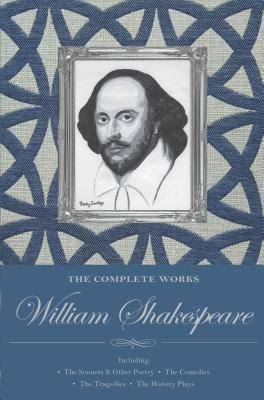
Description
All the plays and poems of William Shakespeare.
| Length | Emails required |
|---|---|
| 7,725 lines | 194 (based on one per day) |
Preview - part 136 of 194
What's the matter with thee now? EMILIA. O, my good lord, yonder's foul murthers done! OTHELLO. What, now? EMILIA. But now, my lord. OTHELLO. It is the very error of the moon; She comes more nearer earth than she was wont And makes men mad. EMILIA. Cassio, my lord, hath kill'd a young Venetian Call'd Roderigo. OTHELLO. Roderigo kill'd? And Cassio kill'd? EMILIA. No, Cassio is not kill'd. OTHELLO. Not Cassio kill'd! Then murther's out of tune, And sweet revenge grows harsh. DESDEMONA. O, falsely, falsely murther'd! EMILIA. Alas, what cry is that? OTHELLO. That? what? EMILIA. Out, and alas! That was my lady's voice. Help! help, ho! help! O lady, speak again! Sweet Desdemona! O sweet mistress, speak! DESDEMONA. A guiltless death I die. EMILIA. O, who hath done this deed? DESDEMONA. Nobody; I myself. Farewell; Commend me to my kind lord. O, farewell! Dies. OTHELLO. Why, how should she be murther'd? EMILIA. Alas, who knows? OTHELLO. You heard her say herself, it was not I. EMILIA. She said so; I must needs report the truth. OTHELLO. She's like a liar gone to burning hell; 'Twas I that kill'd her. EMILIA. O, the more angel she, And you the blacker devil! OTHELLO. She turn'd to folly, and she was a whore. EMILIA. Thou dost belie her, and thou art a devil. OTHELLO. She was false as water. EMILIA. Thou art rash as fire, to say That she was false. O, she was heavenly true! OTHELLO. Cassio did top her; ask thy husband else. O, I were damn'd beneath all depth in hell, But that I did proceed upon just grounds To this extremity. Thy husband knew it all. EMILIA. My husband? OTHELLO. Thy husband. EMILIA. That she was false to wedlock? OTHELLO. Ay, with Cassio. Nay, had she been true, If heaven would make me such another world Of one entire and perfect chrysolite, I'ld not have sold her for it. EMILIA. My husband? OTHELLO. Ay, 'twas he that told me first. An honest man he is, and hates the slime That sticks on filthy deeds. EMILIA. My husband? OTHELLO. What needs this iteration, woman? I say thy husband. EMILIA. O mistress, villainy hath made mocks with love! My husband say that she was false! OTHELLO. He, woman; I say thy husband. Dost understand the word? My friend, thy husband, honest, honest Iago. EMILIA. If he say so, may his pernicious soul Rot half a grain a day! He lies to the heart. She was too fond of her most filthy bargain. OTHELLO. Ha! EMILIA. Do thy worst; This deed of thine is no more worthy heaven Than thou wast worthy her. OTHELLO. Peace, you were best. EMILIA. Thou hast not half that power to do me harm As I have to be hurt. O gull! O dolt! As ignorant as dirt! Thou hast done a deed- I care not for thy sword; I'll make thee known, Though I lost twenty lives. Help! help, ho! help! The Moor hath kill'd my mistress! Murther, murther!
Enter Montano, Gratiano, Iago, and others.
MONTANO. What is the matter? How now, general? EMILIA. O, are you come, Iago? You have done well, That men must lay their murthers on your neck. GRATIANO. What is the matter? EMILIA. Disprove this villain, if thou be'st a man. He says thou told'st him that his wife was false; I know thou didst not, thou'rt not such a villain. Speak, for my heart is full. IAGO. I told him what I thought, and told no more Than what he found himself was apt and true. EMILIA. But did you ever tell him she was false? IAGO. I did. EMILIA. You told a lie, an odious, damned lie; Upon my soul, a lie, a wicked lie! She false with Cassio? Did you say with Cassio? IAGO. With Cassio, mistress. Go to, charm your tongue. EMILIA. I will not charm my tongue; I am bound to speak. My mistress here lies murther'd in her bed- ALL. O heavens forfend! EMILIA. And your reports have set the murther on. OTHELLO. Nay, stare not, masters; it is true indeed. GRATIANO. 'Tis a strange truth. MONTANO. O monstrous act! EMILIA. Villainy, villainy, villainy! I think upon't, I think, I smell't, O villainy! I thought so then. I'll kill myself for grief. O villainy, villainy! IAGO. What, are you mad? I charge you, get you home. EMILIA. Good gentlemen, let me have leave to speak; 'Tis proper I obey him, but not now. Perchance, Iago, I will ne'er go home. OTHELLO. O! O! O! Falls on the bed. EMILIA. Nay, lay thee down and roar; For thou hast kill'd the sweetest innocent That e'er did lift up eye. OTHELLO. [Rises.] O, she was foul! I scarce did know you, uncle; there lies your niece, Whose breath indeed these hands have newly stopp'd. I know this act shows horrible and grim. GRATIANO. Poor Desdemon! I am glad thy father's dead. Thy match was mortal to him, and pure grief Shore his old thread in twain; did he live now, This sight would make him do a desperate turn, Yea, curse his better angel from his side, And fall to reprobation. OTHELLO. 'Tis pitiful, but yet Iago knows That she with Cassio hath the act of shame A thousand times committed. Cassio confess'd it, And she did gratify his amorous works With that recognizance and pledge of love Which I first gave her. I saw it in his hand, It was a handkerchief, an antique token My father gave my mother. EMILIA. O heaven! O heavenly powers! IAGO. 'Zounds! Hold your peace. EMILIA. 'Twill out, 'twill. I peace? No, I will speak as liberal as the north; Let heaven and men and devils, let them all, All, all, cry shame against me, yet I'll speak. IAGO. Be wise, and get you home. EMILIA. I will not. Iago offers to stab Emilia. GRATIANO. Fie! Your sword upon a woman? EMILIA. O thou dull Moor! That handkerchief thou speak'st of I found by fortune and did give my husband, For often with a solemn earnestness, More than indeed belong'd to such a trifle, He begg'd of me to steal it. IAGO. Villainous whore! EMILIA. She give it Cassio? No, alas, I found it, And I did give't my husband. IAGO. Filth, thou liest! EMILIA. By heaven, I do not, I do not, gentlemen. O murtherous coxcomb! What should such a fool Do with so good a wife? OTHELLO. Are there not stones in heaven But what serve for thunder? Precious villain! He runs at Iago, but Montano disarms him. Iago stabs Emilia. GRATIANO. The woman falls; sure, he hath kill'd his wife. EMILIA. Ay, ay! O, lay me by my mistress' side. Exit Iago. GRATIANO. He's gone, but his wife's kill'd. MONTANO. 'Tis a notorious villain. Take you this weapon, Which I have here recover'd from the Moor. Come, guard the door without; let him not pass, But kill him rather. I'll after that same villain, For 'tis a damned slave. Exeunt all but Othello and Emilia. OTHELLO. I am not valiant neither, But every puny whipster gets my sword. But why should honor outlive honesty? Let it go all. EMILIA. What did thy song bode, lady? Hark, canst thou hear me? I will play the swan, And die in music. [Sings.] "Willow, willow, willow." Moor, she was chaste; she loved thee, cruel Moor; So come my soul to bliss, as I speak true; So speaking as I think, I die, I die. Dies. OTHELLO. I have another weapon in this chamber; It is a sword of Spain, the ice-brook's temper- O, here it is. Uncle, I must come forth. GRATIANO. [Within.] If thou attempt it, it will cost thee dear. Thou hast no weapon, and perforce must suffer. OTHELLO. Look in upon me then, and speak with me, Or, naked as I am, I will assault thee.
Re-enter Gratiano.
GRATIANO. What is the matter? OTHELLO. Behold, I have a weapon; A better never did itself sustain Upon a soldier's thigh. I have seen the day That with this little arm and this good sword I have made my way through more impediments Than twenty times your stop. But, O vain boast! Who can control his fate? 'Tis not so now. Be not afraid, though you do see me weapon'd; Here is my journey's end, here is my butt And very sea-mark of my utmost sail. Do you go back dismay'd? 'Tis a lost fear. Man but a rush against Othello's breast, And he retires. Where should Othello go? Now, how dost thou look now? O ill-starr'd wench! Pale as thy smock! When we shall meet at compt, This look of thine will hurl my soul from heaven, And fiends will snatch at it. Cold, cold, my girl? Even like thy chastity. O cursed, cursed slave! Whip me, ye devils, From the possession of this heavenly sight! Blow me about in winds! Roast me in sulphur! Wash me in steep-down gulfs of liquid fire! O Desdemon! dead, Desdemon! dead! O! O! O!
Enter Lodovico, Montano, Cassio carried in a chair, and Officers with Iago, prisoner.
LODOVICO. Where is this rash and most unfortunate man? OTHELLO. That's he that was Othello. Here I am. LODOVICO. Where is that viper? Bring the villain forth. OTHELLO. I look down towards his feet; but that's a fable. If that thou be'st a devil, I cannot kill thee. Wounds Iago. LODOVICO. Wrench his sword from him. IAGO. I bleed, sir, but not kill'd. OTHELLO. I am not sorry neither. I'ld have thee live, For, in my sense, 'tis happiness to die. LODOVICO. O thou Othello, that wert once so good, Fall'n in the practice of a damned slave, What shall be said to thee? OTHELLO. Why, anything; An honorable murtherer, if you will, For nought did I in hate, but all in honor. LODOVICO. This wretch hath part confess'd his villainy. Did you and he consent in Cassio's death? OTHELLO. Ay. CASSIO. Dear general, I never gave you cause. OTHELLO. I do believe it, and I ask your pardon. Will you, I pray, demand that demi-devil Why he hath thus ensnared my soul and body? IAGO. Demand me nothing; what you know, you know. From this time forth I never will speak word. LODOVICO. What, not to pray? GRATIANO. Torments will ope your lips. OTHELLO. Well, thou dost best. LODOVICO. Sir, you shall understand what hath befall'n, Which, as I think, you know not. Here is a letter Found in the pocket of the slain Roderigo, And here another. The one of them imports The death of Cassio to be undertook By Roderigo. OTHELLO. O villain! CASSIO. Most heathenish and most gross! LODOVICO. Now here's another discontented paper, Found in his pocket too; and this, it seems, Roderigo meant to have sent this damned villain; But that, belike, Iago in the interim Came in and satisfied him. OTHELLO. O the pernicious caitiff! How came you, Cassio, by that handkerchief That was my wife's? CASSIO. I found it in my chamber; And he himself confess'd but even now That there he dropp'd it for a special purpose Which wrought to his desire. OTHELLO. O fool! fool! fool! CASSIO. There is besides in Roderigo's letter, How he upbraids Iago, that he made him Brave me upon the watch, whereon it came That I was cast. And even but now he spake After long seeming dead, Iago hurt him, Iago set him on. LODOVICO. You must forsake this room, and go with us. Your power and your command is taken off, And Cassio rules in Cyprus. For this slave, If there be any cunning cruelty That can torment him much and hold him long, It shall be his. You shall close prisoner rest, Till that the nature of your fault be known To the Venetian state. Come, bring away. OTHELLO. Soft you; a word or two before you go. I have done the state some service, and they know't. No more of that. I pray you, in your letters, When you shall these unlucky deeds relate, Speak of me as I am; nothing extenuate, Nor set down aught in malice. Then must you speak Of one that loved not wisely but too well; Of one not easily jealous, but, being wrought, Perplex'd in the extreme; of one whose hand, Like the base Indian, threw a pearl away Richer than all his tribe; of one whose subdued eyes, Albeit unused to the melting mood, Drop tears as fast as the Arabian trees Their medicinal gum. Set you down this; And say besides, that in Aleppo once, Where a malignant and a turban'd Turk Beat a Venetian and traduced the state, I took by the throat the circumcised dog And smote him, thus. Stabs himself. LODOVICO. O bloody period! GRATIANO. All that's spoke is marr'd. OTHELLO. I kiss'd thee ere I kill'd thee. No way but this, Killing myself, to die upon a kiss. Falls on the bed, and dies. CASSIO. This did I fear, but thought he had no weapon; For he was great of heart. LODOVICO. [To Iago.] O Spartan dog, More fell than anguish, hunger, or the sea! Look on the tragic loading of this bed; This is thy work. The object poisons sight; Let it be hid. Gratiano, keep the house, And seize upon the fortunes of the Moor, For they succeed on you. To you, Lord Governor, Remains the censure of this hellish villain, The time, the place, the torture. O, enforce it! Myself will straight aboard, and to the state This heavy act with heavy heart relate. Exeunt.
THE END
<>
1596
KING RICHARD THE SECOND
by William Shakespeare
DRAMATIS PERSONAE
KING RICHARD THE SECOND JOHN OF GAUNT, Duke of Lancaster - uncle to the King EDMUND LANGLEY, Duke of York - uncle to the King HENRY, surnamed BOLINGBROKE, Duke of Hereford, son of John of Gaunt, afterwards King Henry IV DUKE OF AUMERLE, son of the Duke of York THOMAS MOWBRAY, Duke of Norfolk DUKE OF SURREY EARL OF SALISBURY EARL BERKELEY BUSHY - favourites of King Richard BAGOT - " " " " GREEN - " " " " EARL OF NORTHUMBERLAND HENRY PERCY, surnamed HOTSPUR, his son LORD Ross LORD WILLOUGHBY LORD FITZWATER BISHOP OF CARLISLE ABBOT OF WESTMINSTER LORD MARSHAL SIR STEPHEN SCROOP SIR PIERCE OF EXTON CAPTAIN of a band of Welshmen TWO GARDENERS
QUEEN to King Richard DUCHESS OF YORK DUCHESS OF GLOUCESTER, widow of Thomas of Woodstock, Duke of Gloucester LADY attending on the Queen
Lords, Heralds, Officers, Soldiers, Keeper, Messenger, Groom, and other Attendants
<>
SCENE: England and Wales
ACT I. SCENE I. London. The palace
Enter RICHARD, JOHN OF GAUNT, with other NOBLES and attendants
KING RICHARD. Old John of Gaunt, time-honoured Lancaster, Hast thou, according to thy oath and band, Brought hither Henry Hereford, thy bold son, Here to make good the boist'rous late appeal, Which then our leisure would not let us hear, Against the Duke of Norfolk, Thomas Mowbray? GAUNT. I have, my liege. KING RICHARD. Tell me, moreover, hast thou sounded him If he appeal the Duke on ancient malice, Or worthily, as a good subject should, On some known ground of treachery in him? GAUNT. As near as I could sift him on that argument, On some apparent danger seen in him Aim'd at your Highness-no inveterate malice. KING RICHARD. Then call them to our presence: face to face And frowning brow to brow, ourselves will hear The accuser and the accused freely speak. High-stomach'd are they both and full of ire, In rage, deaf as the sea, hasty as fire.
Enter BOLINGBROKE and MOWBRAY
BOLINGBROKE. Many years of happy days befall My gracious sovereign, my most loving liege! MOWBRAY. Each day still better other's happiness Until the heavens, envying earth's good hap, Add an immortal title to your crown! KING RICHARD. We thank you both; yet one but flatters us, As well appeareth by the cause you come; Namely, to appeal each other of high treason. Cousin of Hereford, what dost thou object Against the Duke of Norfolk, Thomas Mowbray? BOLINGBROKE. First-heaven be the record to my speech! In the devotion of a subject's love, Tend'ring the precious safety of my prince, And free from other misbegotten hate, Come I appellant to this princely presence. Now, Thomas Mowbray, do I turn to thee, And mark my greeting well; for what I speak My body shall make good upon this earth, Or my divine soul answer it in heaven- Thou art a traitor and a miscreant, Too good to be so, and too bad to live, Since the more fair and crystal is the sky, The uglier seem the clouds that in it fly. Once more, the more to aggravate the note, With a foul traitor's name stuff I thy throat; And wish-so please my sovereign-ere I move, What my tongue speaks, my right drawn sword may prove. MOWBRAY. Let not my cold words here accuse my zeal. 'Tis not the trial of a woman's war, The bitter clamour of two eager tongues, Can arbitrate this cause betwixt us twain; The blood is hot that must be cool'd for this. Yet can I not of such tame patience boast As to be hush'd and nought at an to say. First, the fair reverence of your Highness curbs me From giving reins and spurs to my free speech; Which else would post until it had return'd These terms of treason doubled down his throat. Setting aside his high blood's royalty, And let him be no kinsman to my liege, I do defy him, and I spit at him, Call him a slanderous coward and a villain; Which to maintain, I would allow him odds And meet him, were I tied to run afoot Even to the frozen ridges of the Alps, Or any other ground inhabitable Where ever Englishman durst set his foot. Meantime let this defend my loyalty- By all my hopes, most falsely doth he lie BOLINGBROKE. Pale trembling coward, there I throw my gage, Disclaiming here the kindred of the King; And lay aside my high blood's royalty, Which fear, not reverence, makes thee to except. If guilty dread have left thee so much strength As to take up mine honour's pawn, then stoop. By that and all the rites of knighthood else Will I make good against thee, arm to arm, What I have spoke or thou canst worst devise. MOWBRAY. I take it up; and by that sword I swear Which gently laid my knighthood on my shoulder I'll answer thee in any fair degree Or chivalrous design of knightly trial; And when I mount, alive may I not light If I be traitor or unjustly fight! KING RICHARD. What doth our cousin lay to Mowbray's charge? It must be great that can inherit us So much as of a thought of ill in him. BOLINGBROKE. Look what I speak, my life shall prove it true- That Mowbray hath receiv'd eight thousand nobles In name of lendings for your Highness' soldiers, The which he hath detain'd for lewd employments Like a false traitor and injurious villain. Besides, I say and will in battle prove- Or here, or elsewhere to the furthest verge That ever was survey'd by English eye- That all the treasons for these eighteen years Complotted and contrived in this land Fetch from false Mowbray their first head and spring. Further I say, and further will maintain Upon his bad life to make all this good, That he did plot the Duke of Gloucester's death, Suggest his soon-believing adversaries, And consequently, like a traitor coward, Sluic'd out his innocent soul through streams of blood; Which blood, like sacrificing Abel's, cries, Even from the tongueless caverns of the earth, To me for justice and rough chastisement; And, by the glorious worth of my descent, This arm shall do it, or this life be spent. KING RICHARD. How high a pitch his resolution soars! Thomas of Norfolk, what say'st thou to this? MOWBRAY. O, let my sovereign turn away his face And bid his ears a little while be deaf, Till I have told this slander of his blood How God and good men hate so foul a liar. KING RICHARD. Mowbray, impartial are our eyes and cars. Were he my brother, nay, my kingdom's heir, As he is but my father's brother's son, Now by my sceptre's awe I make a vow, Such neighbour nearness to our sacred blood Should nothing privilege him nor partialize The unstooping firmness of my upright soul. He is our subject, Mowbray; so art thou: Free speech and fearless I to thee allow. MOWBRAY. Then, Bolingbroke, as low as to thy heart, Through the false passage of thy throat, thou liest. Three parts of that receipt I had for Calais Disburs'd I duly to his Highness' soldiers; The other part reserv'd I by consent, For that my sovereign liege was in my debt Upon remainder of a dear account Since last I went to France to fetch his queen: Now swallow down that lie. For Gloucester's death- I slew him not, but to my own disgrace Neglected my sworn duty in that case. For you, my noble Lord of Lancaster, The honourable father to my foe, Once did I lay an ambush for your life, A trespass that doth vex my grieved soul; But ere I last receiv'd the sacrament I did confess it, and exactly begg'd Your Grace's pardon; and I hope I had it. This is my fault. As for the rest appeal'd, It issues from the rancour of a villain, A recreant and most degenerate traitor; Which in myself I boldly will defend, And interchangeably hurl down my gage Upon this overweening traitor's foot To prove myself a loyal gentleman Even in the best blood chamber'd in his bosom. In haste whereof, most heartily I pray Your Highness to assign our trial day. KING RICHARD. Wrath-kindled gentlemen, be rul'd by me; Let's purge this choler without letting blood- This we prescribe, though no physician; Deep malice makes too deep incision. Forget, forgive; conclude and be agreed: Our doctors say this is no month to bleed. Good uncle, let this end where it begun; We'll calm the Duke of Norfolk, you your son. GAUNT. To be a make-peace shall become my age. Throw down, my son, the Duke of Norfolk's gage. KING RICHARD. And, Norfolk, throw down his. GAUNT. When, Harry, when? Obedience bids I should not bid again. KING RICHARD. Norfolk, throw down; we bid. There is no boot. MOWBRAY. Myself I throw, dread sovereign, at thy foot; My life thou shalt command, but not my shame: The one my duty owes; but my fair name, Despite of death, that lives upon my grave To dark dishonour's use thou shalt not have. I am disgrac'd, impeach'd, and baffl'd here; Pierc'd to the soul with slander's venom'd spear, The which no balm can cure but his heart-blood Which breath'd this poison. KING RICHARD. Rage must be withstood: Give me his gage-lions make leopards tame. MOWBRAY. Yea, but not change his spots. Take but my shame, And I resign my gage. My dear dear lord, The purest treasure mortal times afford Is spotless reputation; that away, Men are but gilded loam or painted clay. A jewel in a ten-times barr'd-up chest Is a bold spirit in a loyal breast. Mine honour is my life; both grow in one; Take honour from me, and my life is done: Then, dear my liege, mine honour let me try; In that I live, and for that will I die. KING RICHARD. Cousin, throw up your gage; do you begin. BOLINGBROKE. O, God defend my soul from such deep sin! Shall I seem crest-fallen in my father's sight? Or with pale beggar-fear impeach my height Before this outdar'd dastard? Ere my tongue Shall wound my honour with such feeble wrong Or sound so base a parle, my teeth shall tear The slavish motive of recanting fear, And spit it bleeding in his high disgrace, Where shame doth harbour, even in Mowbray's face. Exit GAUNT KING RICHARD. We were not born to sue, but to command; Which since we cannot do to make you friends, Be ready, as your lives shall answer it, At Coventry, upon Saint Lambert's day. There shall your swords and lances arbitrate The swelling difference of your settled hate; Since we can not atone you, we shall see Justice design the victor's chivalry. Lord Marshal, command our officers-at-arms Be ready to direct these home alarms. Exeunt
SCENE 2. London. The DUKE OF LANCASTER'S palace
Enter JOHN OF GAUNT with the DUCHESS OF GLOUCESTER
GAUNT. Alas, the part I had in Woodstock's blood Doth more solicit me than your exclaims To stir against the butchers of his life! But since correction lieth in those hands Which made the fault that we cannot correct, Put we our quarrel to the will of heaven; Who, when they see the hours ripe on earth, Will rain hot vengeance on offenders' heads. DUCHESS. Finds brotherhood in thee no sharper spur? Hath love in thy old blood no living fire? Edward's seven sons, whereof thyself art one, Were as seven vials of his sacred blood, Or seven fair branches springing from one root. Some of those seven are dried by nature's course, Some of those branches by the Destinies cut; But Thomas, my dear lord, my life, my Gloucester, One vial full of Edward's sacred blood, One flourishing branch of his most royal root, Is crack'd, and all the precious liquor spilt; Is hack'd down, and his summer leaves all faded, By envy's hand and murder's bloody axe. Ah, Gaunt, his blood was thine! That bed, that womb, That mettle, that self mould, that fashion'd thee, Made him a man; and though thou livest and breathest, Yet art thou slain in him. Thou dost consent In some large measure to thy father's death In that thou seest thy wretched brother die, Who was the model of thy father's life. Call it not patience, Gaunt-it is despair; In suff'ring thus thy brother to be slaught'red, Thou showest the naked pathway to thy life, Teaching stern murder how to butcher thee. That which in mean men we entitle patience Is pale cold cowardice in noble breasts. What shall I say? To safeguard thine own life The best way is to venge my Gloucester's death. GAUNT. God's is the quarrel; for God's substitute, His deputy anointed in His sight, Hath caus'd his death; the which if wrongfully, Let heaven revenge; for I may never lift An angry arm against His minister. DUCHESS. Where then, alas, may I complain myself? GAUNT. To God, the widow's champion and defence. DUCHESS. Why then, I will. Farewell, old Gaunt. Thou goest to Coventry, there to behold Our cousin Hereford and fell Mowbray fight. O, sit my husband's wrongs on Hereford's spear, That it may enter butcher Mowbray's breast! Or, if misfortune miss the first career, Be Mowbray's sins so heavy in his bosom That they may break his foaming courser's back And throw the rider headlong in the lists, A caitiff recreant to my cousin Hereford! Farewell, old Gaunt; thy sometimes brother's wife, With her companion, Grief, must end her life. GAUNT. Sister, farewell; I must to Coventry. As much good stay with thee as go with me! DUCHESS. Yet one word more- grief boundeth where it falls, Not with the empty hollowness, but weight. I take my leave before I have begun, For sorrow ends not when it seemeth done. Commend me to thy brother, Edmund York. Lo, this is all- nay, yet depart not so; Though this be all, do not so quickly go; I shall remember more. Bid him- ah, what?- With all good speed at Plashy visit me. Alack, and what shall good old York there see But empty lodgings and unfurnish'd walls, Unpeopled offices, untrodden stones? And what hear there for welcome but my groans? Therefore commend me; let him not come there To seek out sorrow that dwells every where. Desolate, desolate, will I hence and die; The last leave of thee takes my weeping eye. Exeunt
SCENE 3. The lists at Coventry
Enter the LORD MARSHAL and the DUKE OF AUMERLE
MARSHAL. My Lord Aumerle, is Harry Hereford arm'd? AUMERLE. Yea, at all points; and longs to enter in. MARSHAL. The Duke of Norfolk, spightfully and bold, Stays but the summons of the appelant's trumpet. AUMERLE. Why then, the champions are prepar'd, and stay For nothing but his Majesty's approach.
The trumpets sound, and the KING enters with his nobles, GAUNT, BUSHY, BAGOT, GREEN, and others. When they are set, enter MOWBRAY, Duke of Nor folk, in arms, defendant, and a HERALD
KING RICHARD. Marshal, demand of yonder champion The cause of his arrival here in arms; Ask him his name; and orderly proceed To swear him in the justice of his cause. MARSHAL. In God's name and the King's, say who thou art, And why thou comest thus knightly clad in arms; Against what man thou com'st, and what thy quarrel. Speak truly on thy knighthood and thy oath; As so defend thee heaven and thy valour! MOWBRAY. My name is Thomas Mowbray, Duke of Norfolk; Who hither come engaged by my oath- Which God defend a knight should violate!- Both to defend my loyalty and truth To God, my King, and my succeeding issue, Against the Duke of Hereford that appeals me; And, by the grace of God and this mine arm, To prove him, in defending of myself, A traitor to my God, my King, and me. And as I truly fight, defend me heaven!
The trumpets sound. Enter BOLINGBROKE, Duke of Hereford, appellant, in armour, and a HERALD